Mental Wellness Insights
Evidence-Based Mental Health Resources
Practical guidance, expert insights, and research-backed strategies for mental wellness
10
Articles
5
Categories
10
Topics
Weekly
Updates
All Articles
10 articles found

Featured
Relationships
Boundaries Are Not Walls: A Psychologist’s Guide to Saying No
Boundaries are not about becoming cold or distant. A psychologist explains how saying no with clarity and respect can reduce resentment, protect wellbeing, and improve relationships.
May 30, 2026
Wellbeing
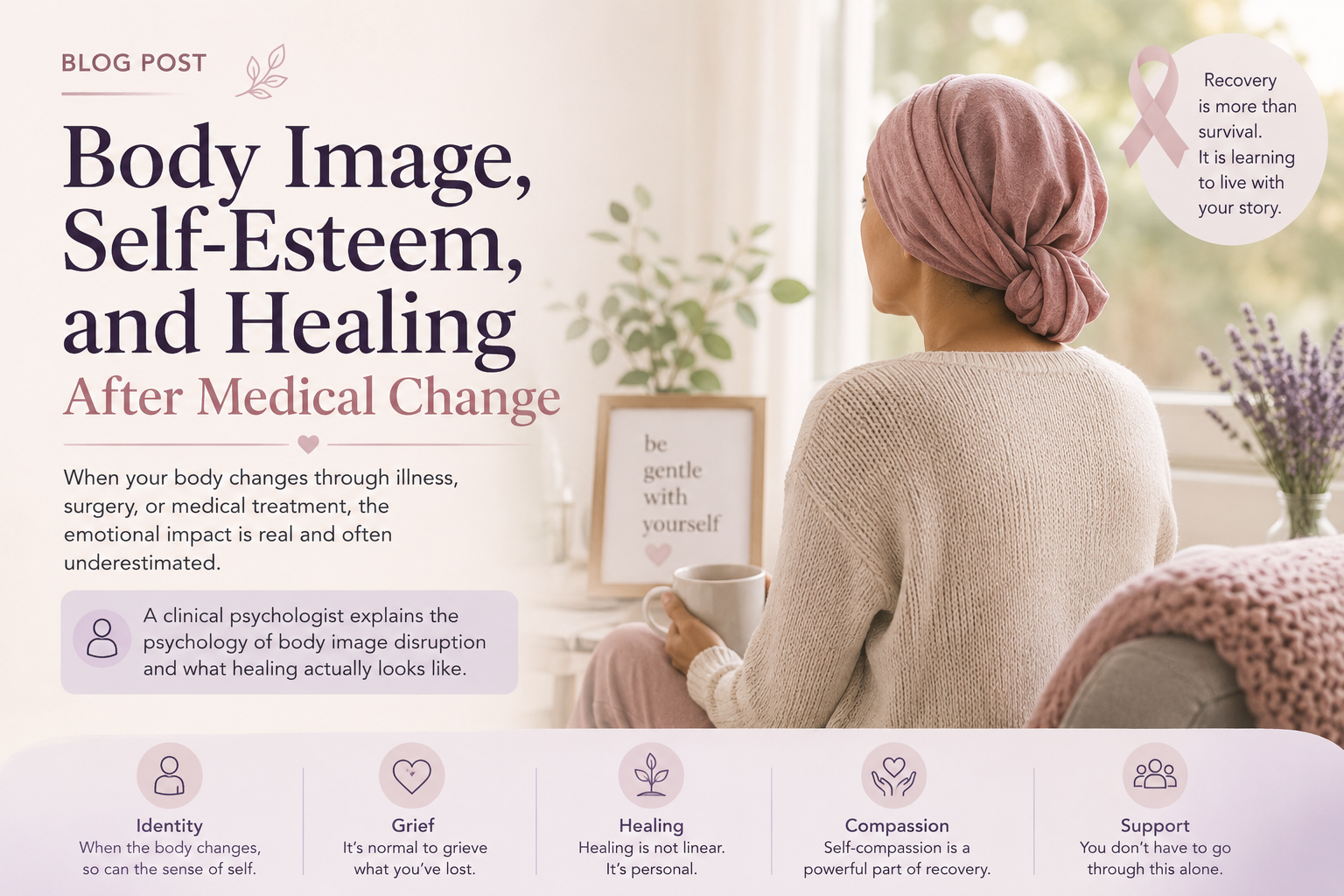
Body Image, Self-Esteem, and Healing After Medical Change.
When your body changes through illness, surgery, or medical treatment, the emotional impact is real and often underestimated. A clinical psychologist explains the psychology of body image disruption and what healing actually looks like.
May 23, 2026
Wellbeing
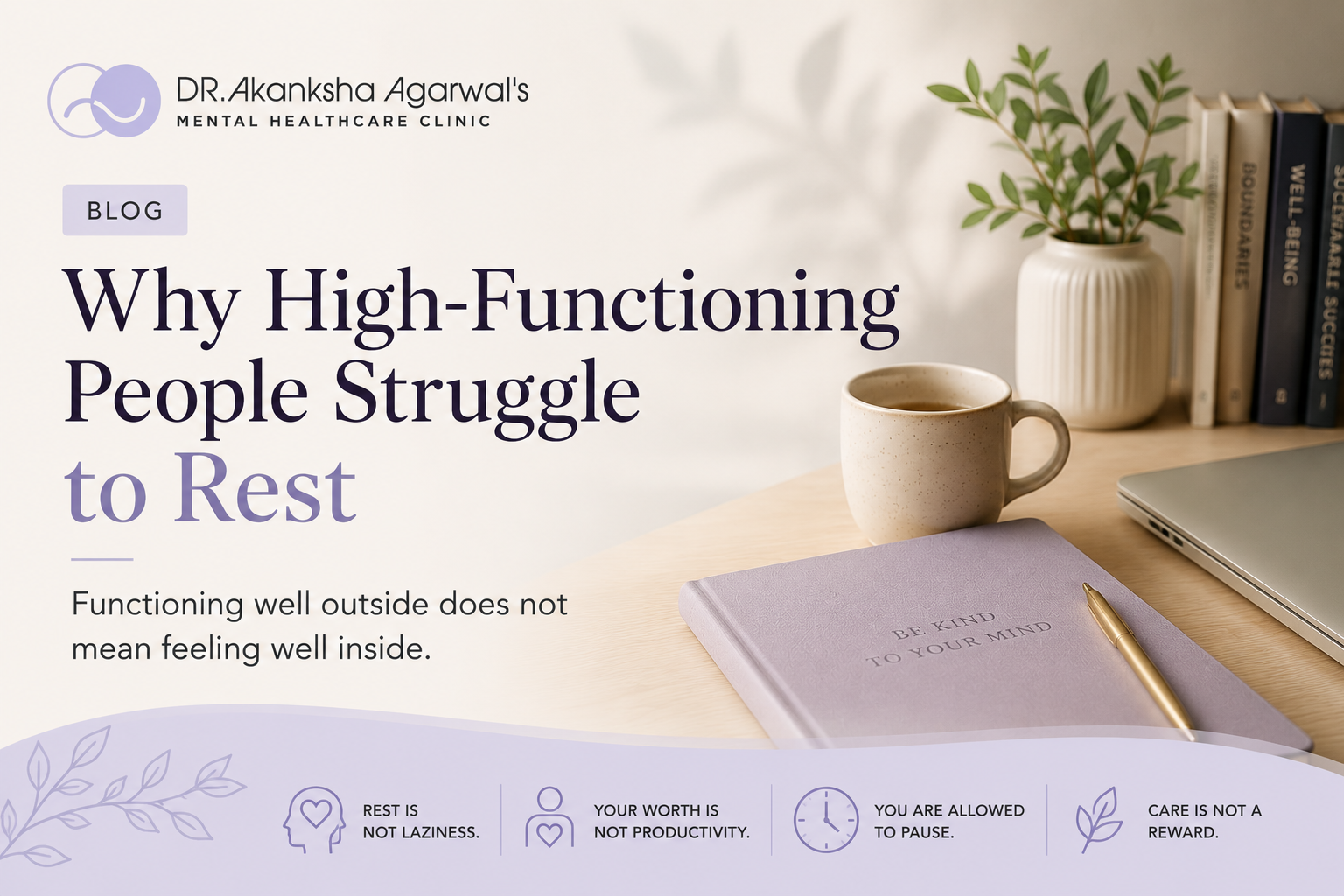
Why High-Functioning People Struggle to Rest
High-functioning people often struggle to rest because productivity may be tied to worth, safety, control, and identity. Learn why rest guilt happens and how to understand it with compassion.
May 14, 2026
Mental Health
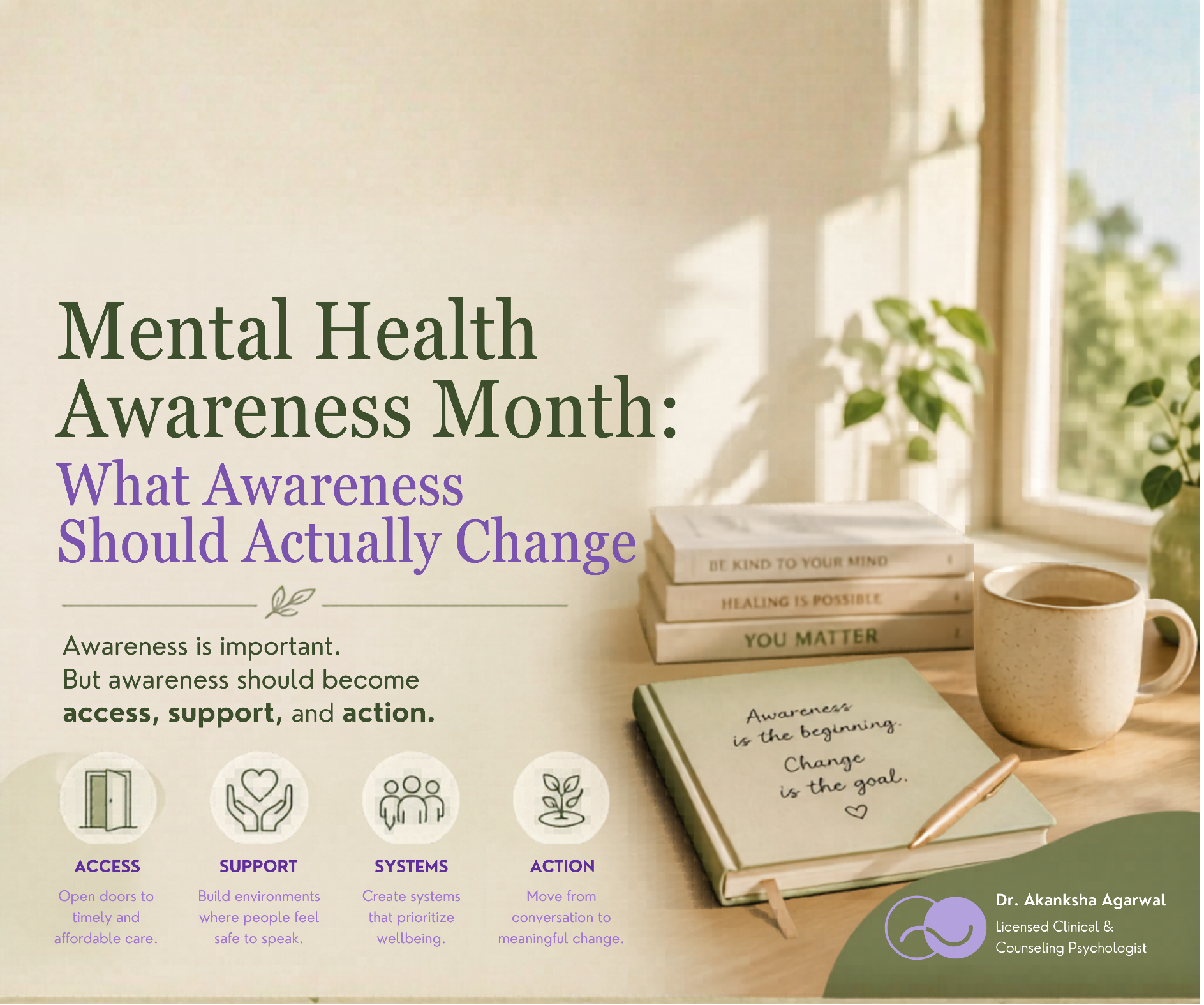
Mental Health Awareness Month: What Awareness Should Actually Change.
Mental Health Awareness Month is not only about talking more about mental health. Awareness should reduce stigma, improve access, strengthen support systems, and help people seek care before crisis.
May 8, 2026
Mental Health
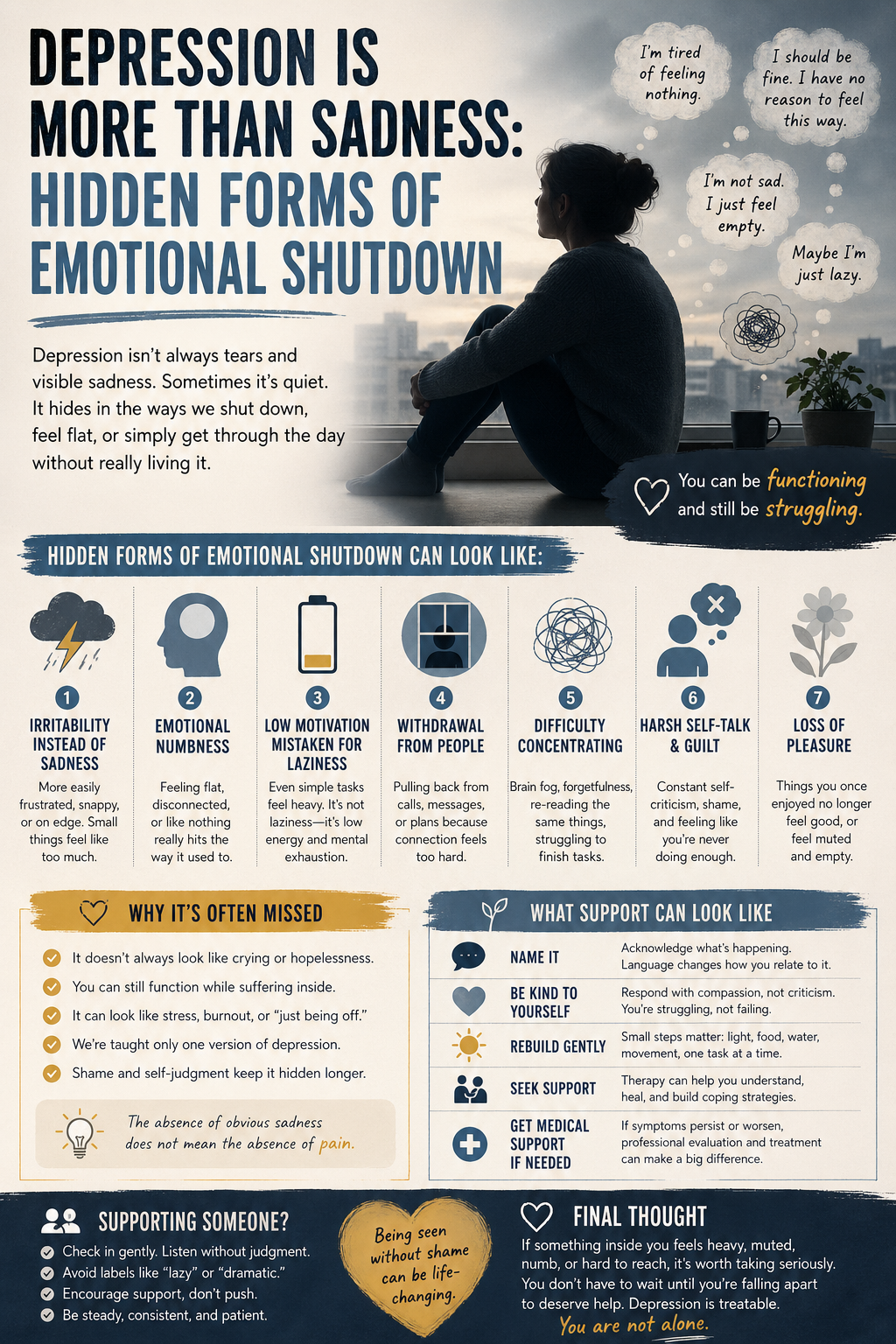
Depression Is More Than Sadness: Hidden Signs of Emotional Shutdown
Depression does not always look like obvious sadness. This article explores the quieter signs people often miss, including numbness, irritability, exhaustion, withdrawal, and the hidden forms of emotional shutdown.
April 29, 2026
Relationships
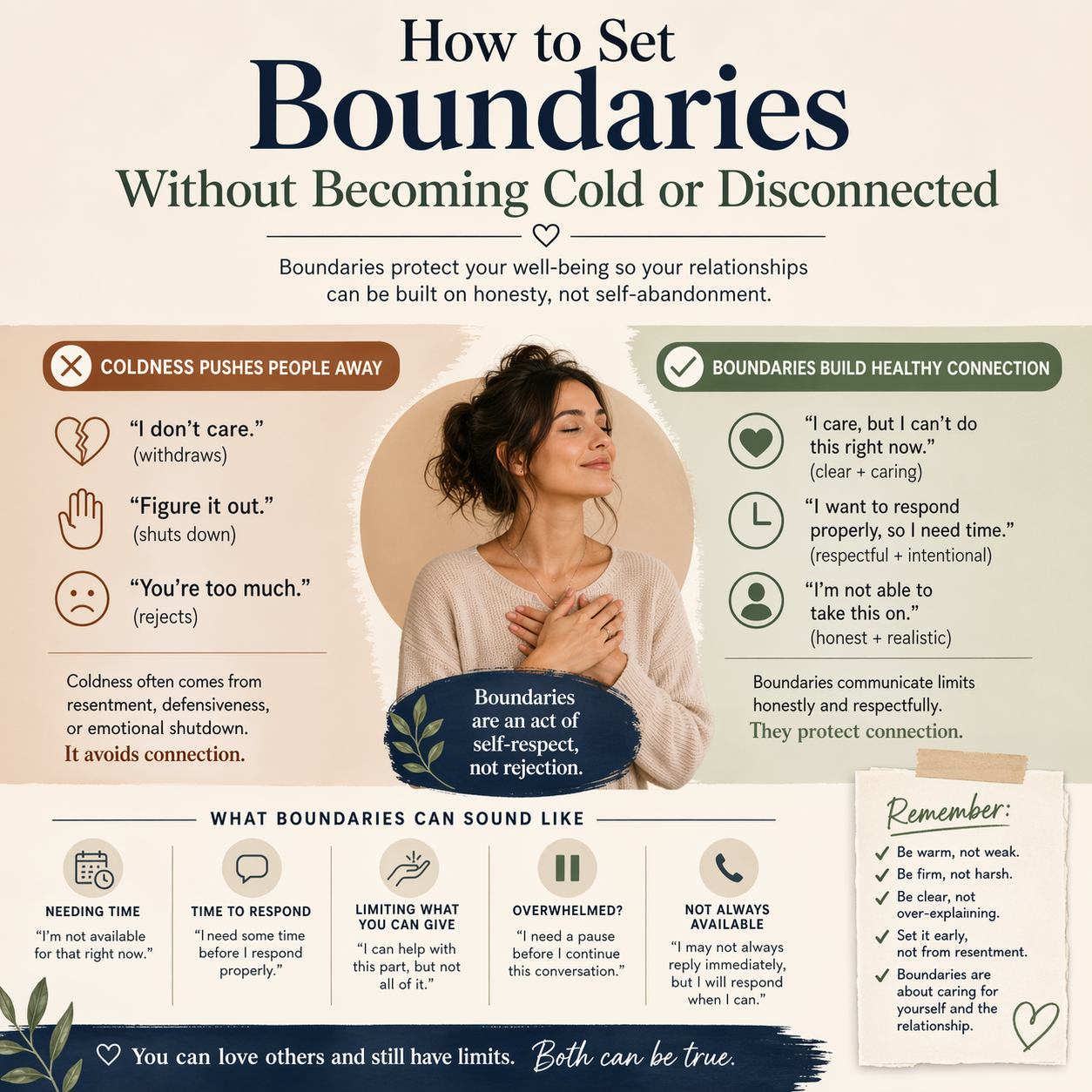
How to Set Boundaries Without Becoming Cold or Disconnected
Setting boundaries does not have to mean becoming cold or distant. This article explores how to combine warmth with firmness so you can protect your energy without losing connection.
April 22, 2026
Mental Health
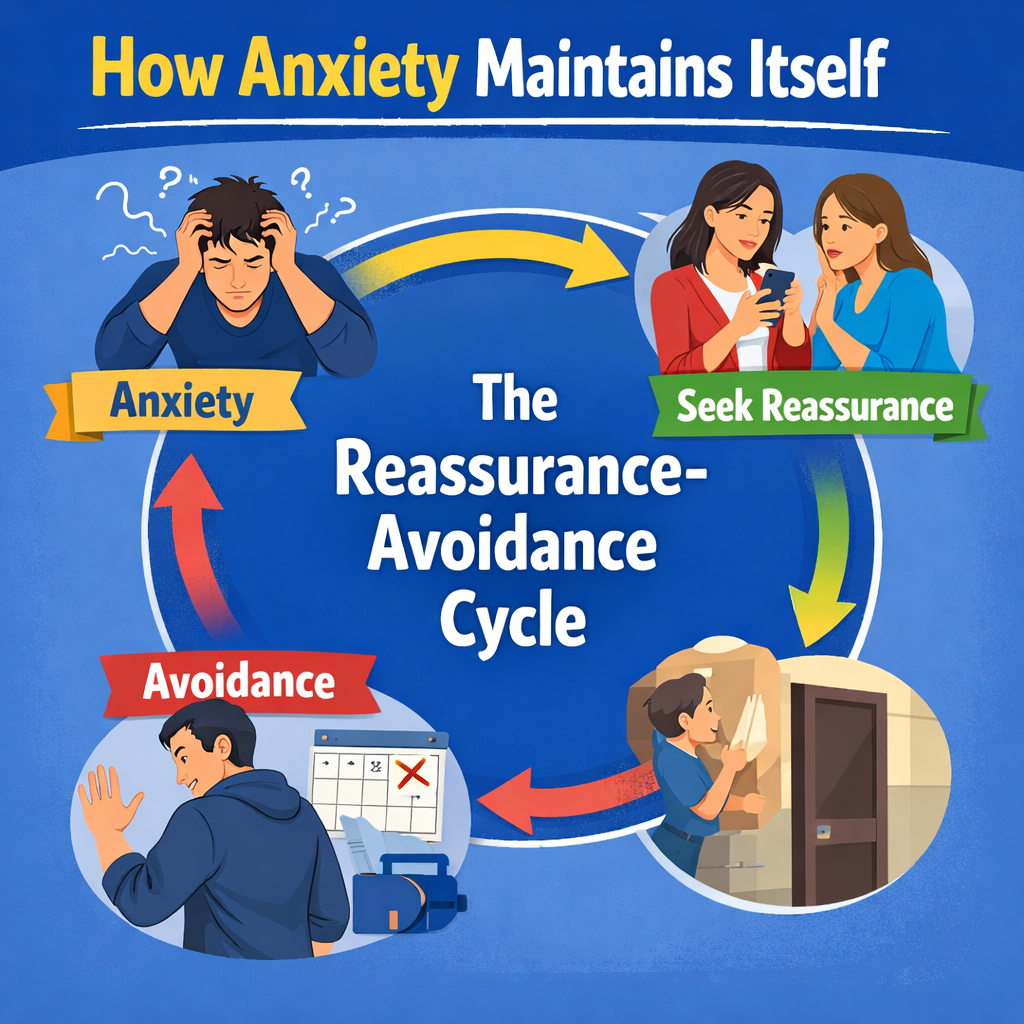
How Anxiety Maintains Itself: The Reassurance-Avoidance Cycle
Anxiety often stays alive through a cycle of reassurance and avoidance. This article explains how that pattern works, why it brings only short-term relief, and what helps break the loop.
April 15, 2026
Wellbeing
Burnout in High-Functioning Adults: Signs, Patterns, and Recovery
Burnout in high-functioning adults often hides behind productivity, competence, and responsibility. This article explores the subtle signs people miss and why rest alone is not always enough.
April 12, 2026

Therapy
When AI knows the techniques, what makes therapy work?
The blog explores how the rise of AI has made therapeutic techniques and knowledge more accessible than ever, enabling anyone to generate therapy tools and protocols instantly. Despite this, what remains uniquely valuable—and increasingly scarce—is the genuine therapeutic relationship between client and therapist. The effectiveness of therapy lies not in the clinician’s mastery of techniques, but in their ability to create a safe, empathetic, and collaborative space where clients feel truly seen and supported. Like in healthcare, where information is abundant but clinical judgement and care remain essential, therapy’s true impact comes from the human connection that enables change. Research consistently shows that “common factors,” especially the therapeutic alliance, are the main predictors of positive outcomes, rather than any single therapeutic tool. AI can provide information and skills, but it cannot offer relational safety, co-regulation, or the corrective emotional experiences that foster lasting growth. Therapists’ irreplaceable skills include attunement, empathy, repair after relational ruptures, emotional regulation, and holding space for complexity—qualities that cannot be automated. As knowledge becomes democratised, clients will seek therapists who are authentic, safe, and able to witness and support their emotional journeys, rather than simply those with the best techniques. In summary, as AI advances, the differentiator in therapy is not technique, but the unique, trusting relationship that enables honest self-exploration and meaningful change.
February 23, 2026
General
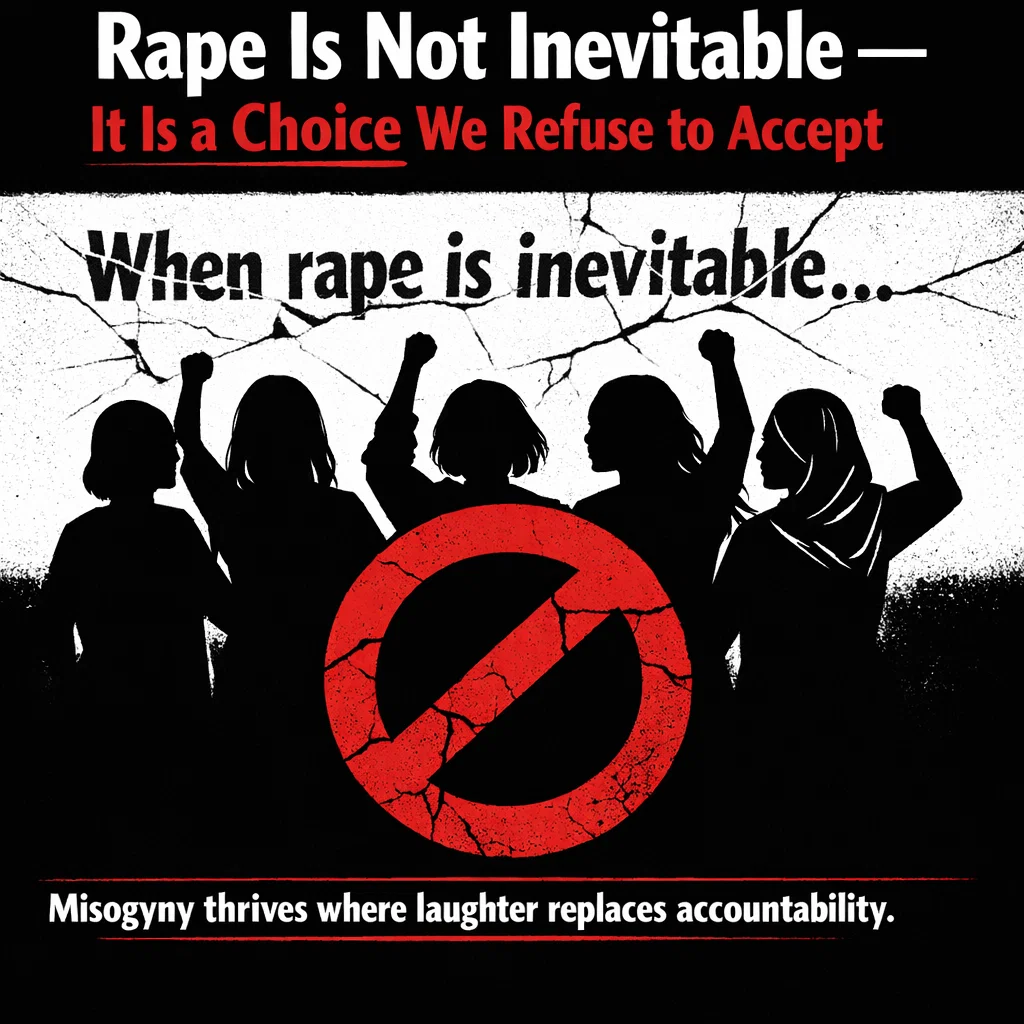
Analyzing Misogynistic Rhetoric: A Feminist Perspective on Rape Culture
This post examines the harmful impact of misogynistic rhetoric, specifically focusing on a controversial statement made by a legislator that trivializes rape. It explores how such language contributes to the normalization and minimization of sexual violence, perpetuating rape culture. Through a feminist lens, the analysis highlights how these statements not only reflect, but also reinforce societal attitudes that blame victims, excuse perpetrators, and make light of women’s suffering, emphasizing the need for greater awareness and change in public discourse.
January 27, 2026