Body Image, Self-Esteem, and Healing After Medical Change.
When your body changes through illness, surgery, or medical treatment, the emotional impact is real and often underestimated. A clinical psychologist explains the psychology of body image disruption and what healing actually looks like.

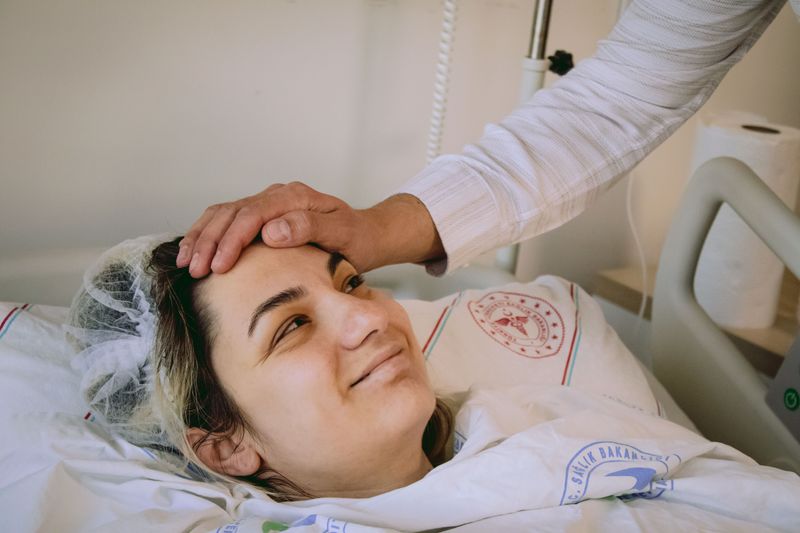


When someone finishes cancer treatment, recovers from major surgery, or reaches the end of a long rehabilitation process, there is usually a moment that medicine marks as recovery. Scans are clear. Wounds have healed. Vitals are stable. The clinical team offers a cautious but real optimism.
And yet, for many people, something else is only just beginning. The medical recovery and the psychological recovery are not on the same timeline. They rarely are. And one of the most significant, and most consistently underaddressed, aspects of that psychological process is body image.
What Body Image Actually Is
Body image is not, as it is often dismissed, a matter of vanity or superficiality. It is the internal relationship a person has with their own physical self, how they perceive their body, how they feel inhabiting it, and how central their body is to their sense of identity and safety in the world.
For most people, this relationship is largely unconscious. The body is simply the body, familiar, reliable, the vehicle through which daily life moves. We do not think much about it when it is working as expected.
It is disruption that makes the relationship visible. When the body changes significantly, through surgery, treatment, illness, or the aftermath of rehabilitation, that quiet familiarity is interrupted. The body no longer matches the internal image a person carries of themselves. And that mismatch can be profoundly disorienting, even when the change was medically necessary, even when the person is genuinely relieved to be alive.
What Changes After Medical Treatment- and Why It Matters
The specific experience of body image disruption varies depending on the nature of the medical change. A person who has had a mastectomy faces something different from someone managing hair loss during chemotherapy, who faces something different again from someone navigating visible scarring after reconstructive surgery, or adjusting to a stoma, a prosthetic limb, or significant weight change during treatment.
What these experiences share is this: the body has been changed by something outside the person's choosing. And the psychological work of integrating that change, of rebuilding a relationship with a body that looks or functions differently, is significant, takes time, and is rarely given the space it deserves within the medical system.
Research in psycho-oncology and rehabilitation psychology consistently shows that body image concerns have a direct impact on quality of life, treatment adherence, sexual wellbeing, social functioning, and overall psychological adjustment in survivorship. These are not minor or incidental outcomes. They are central to how well a person is actually doing, and they often go unasked about.
"Grief does not require the loss to be a death. It requires the loss to be real. And the loss of the body you had before is real, regardless of whether that loss came with the gift of continued life."
The Grief That Goes Unnamed
One of the most consistent things I observe clinically is a specific kind of discomfort that people carry after medical treatment: the sense that they are not allowed to grieve their body.
The internal logic goes something like this: I should be grateful. The treatment worked. I am here. What right do I have to feel sad about how I look?
This is an understandable response, and it is one that quietly compounds suffering, because it adds shame to an experience that already involves loss.
Gratitude and grief are not opposites. They can, and often do, exist simultaneously. A person can be genuinely relieved to have come through treatment and also mourn what their body was before. One does not cancel the other. Both deserve space. When we tell survivors they should simply feel lucky, we are not comforting them. We are asking them to perform a feeling they may not have, while suppressing one they do.
Body Image and Self-Esteem: The Connection
Self-esteem, our overall sense of worth and value as a person, is influenced by many things. For many people, the body is one of them. Not in the superficial sense of appearance-based self-worth, but in deeper ways: physical capability, independence, sexual identity, how one moves through the world and is perceived by others.
When the body changes significantly, these dimensions of self-esteem can be affected too. A person who prided themselves on physical strength and finds their body depleted by treatment. A person whose sense of femininity or masculinity is complicated by surgical changes. A person who no longer feels comfortable in social situations because they are self-conscious in a way they were not before.
These are not vanity. These are the places where identity and the body are intertwined, and where medical change creates ripples that extend far beyond the physical.
What Psychological Support Looks Like in This Context
Psychological support for body image after medical treatment is not about persuading someone to love their body or feel positive about changes they did not choose. That is not a realistic or particularly useful goal. What it does involve is:
Creating a space where the full range of emotional responses, including grief, anger, relief, disorientation, and gratitude, can be acknowledged without hierarchy. No feeling is more valid than another. All of them make sense.
Helping a person separate their worth from their appearance or physical capability, in a way that is sustainable rather than simply stated.
Exploring the specific ways body image is affecting daily life, relationships, intimacy, social participation, professional functioning, and working practically on those areas.
Where relevant, addressing the cognitive patterns that may be amplifying distress: the self-critical comparisons, the catastrophic interpretations, the avoidance behaviours that narrow the world.
And perhaps most fundamentally, offering consistency. A person adjusting to a changed body needs the same thing anyone in grief needs, a reliable, honest space to process something that takes time. There is no shortcut through this work.
What Actually Helps
For those navigating this themselves, a few things are worth knowing:
The adjustment takes longer than you expect: and longer than most people around you will anticipate. That is not a sign that something is wrong with you. It is a sign that the loss was real.
Compassion toward your body does not require loving how it looks. You can feel tender toward a body that has been through something hard, independently of whether you feel comfortable or confident in it yet. These are different things, and conflating them creates an impossible standard.
Talking about it matters. Body image distress, like most forms of psychological distress, is worsened by isolation and silence. Finding someone to speak to, a psychologist, a support group, a trusted person who will not rush you toward feeling better, makes a difference.
You are not alone in this experience. Body image disruption after medical treatment is common, clinically recognised, and entirely understandable. The fact that it is underaddressed in many healthcare settings does not mean it is not real, or not serious, or not worth attending to.
Navigating this yourself?
If you are navigating body image after medical treatment and would like to speak with a psychologist, you can reach out through the contact page.
Get in Touch → drakanksha.comDr. Akanksha Agarwal, Psy.D, M.Sc.
Licensed Clinical & Counseling Psychologist. Her work spans psycho-oncology, burnout, body image, and youth mental health. She writes to make psychology accessible to the people who need it most.